🎓✨ ADMISSIONS OPEN FOR THE NEXT ACADEMIC YEAR ✨🎓 | 🚀 Get FLAT 20% Early Bird Offer 💥 | 👉 ENROLL NOW & SHAPE YOUR FUTURE! 🔥
🎓✨ ADMISSIONS OPEN FOR THE NEXT ACADEMIC YEAR ✨🎓 | 🚀 Get FLAT 20% Early Bird Offer 💥 | 👉 ENROLL NOW & SHAPE YOUR FUTURE! 🔥
🎓✨ ADMISSIONS OPEN FOR THE NEXT ACADEMIC YEAR ✨🎓 | 🚀 Get FLAT 20% Early Bird Offer 💥 | 👉 ENROLL NOW & SHAPE YOUR FUTURE! 🔥
Summer Vacation
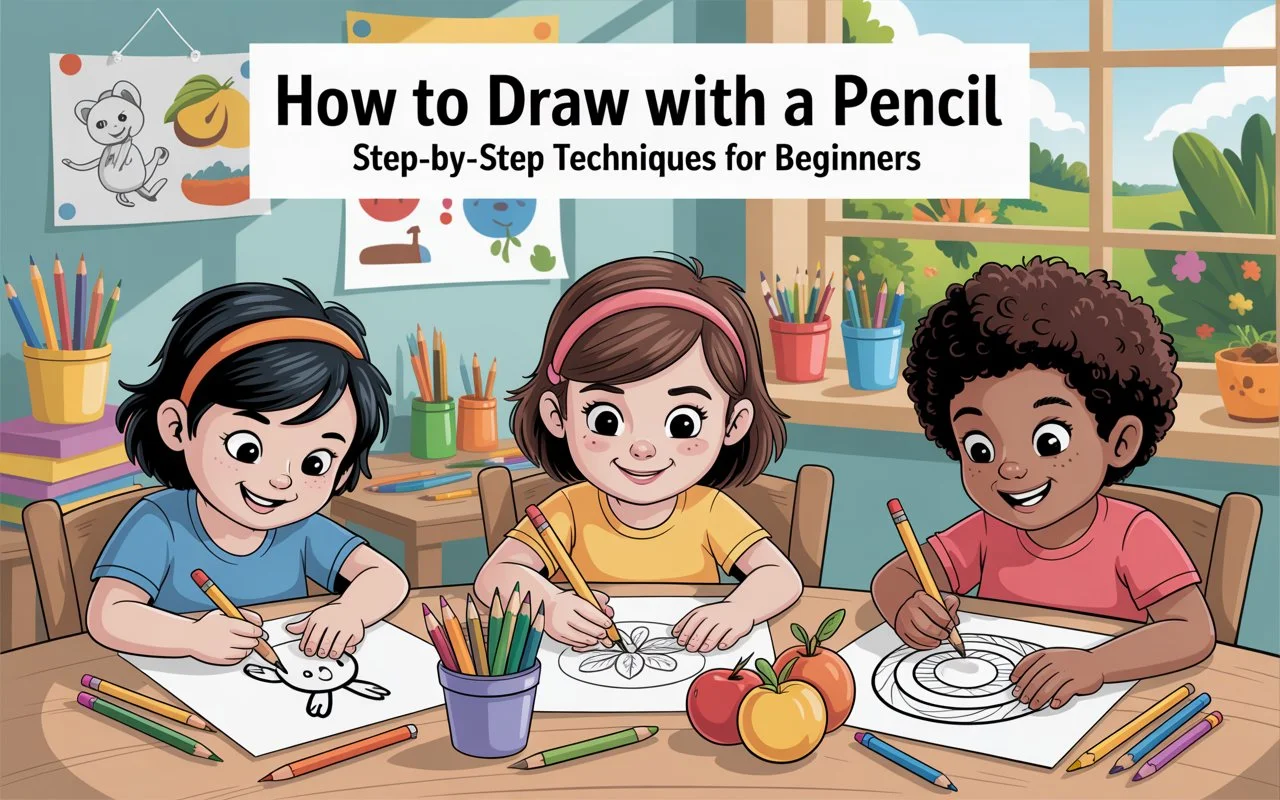
How to Draw with a Pencil: Step-by-Step Techniques for Beginners
May 31, 2025, 11:13 a.m.
Easy pencil drawing guide for kids, students, and parents
Drawing with a pencil is one of the simplest and most creative ways to express yourself. Whether you're a student, a hobbyist, or a complete beginner, learning how to draw with a pencil can improve your focus, hand-eye coordination, and imagination. The best part? You only need a few basic tools to get started!
In this blog, you’ll learn step-by-step pencil drawing techniques perfect for kids, parents teaching at home, and anyone wanting to explore their artistic side.
Step-by-Step Techniques to Start Drawing
Step 1: Choose the Right Pencil and Paper
Use smooth paper for clean lines or textured paper for a grainy feel
Choose HB or 2B pencils for sketching and soft B pencils for shading
Step 2: Learn the Correct Way to Hold a Pencil
Use a relaxed grip, not too tight
For sketching: hold the pencil loosely for better movement
For details: hold closer to the tip for control
Step 3: Start with Basic Shapes
Practice drawing circles, squares, and triangles
Helps in understanding proportion and structure
These shapes are the base for more complex drawings like faces, animals, etc.
Step 4: Begin with Light Sketching
Don’t press hard, use soft strokes to outline your idea
Start with rough shapes before refining them
Use a soft eraser to clean lines as needed
Step 5: Add Details Gradually
Once the base shape looks good, add small features
Add eyes, folds, buttons, textures, etc., depending on the object
Darken the final outline only when you're satisfied with the shape
Step 6: Learn Basic Shading Techniques
Technique
How to Do It
Use For
Hatching
Draw parallel lines in one direction
Light shading
Cross-Hatching
Criss-cross lines in layers
Darker shadows
Blending
Use tissue or finger to soften pencil strokes
Smooth surfaces like skin
Stippling
Make tiny dots close together
Textured or grainy look
Step 7: Practice with Real Objects
Start drawing simple items around you like:
An apple or banana
A water bottle or cup
A leaf or flower
Your favorite toy
Use real-life objects or their pictures for better accuracy.
Step 8: Avoid These Common Mistakes
Don’t press hard in the beginning
Avoid skipping guidelines — they help in balance
Don’t focus only on outlines — shading matters too
Don’t rush. Drawing takes time and practice
Benefits of Learning Pencil Drawing
Improves observation and attention to detail
Builds hand control and fine motor skills
Improves creativity and imagination
A relaxing and stress-relieving hobby
Encourages focus and patience
Essential Materials for Pencil Drawing
Item
Why It's Needed
Graphite pencils
Different grades for light and dark lines
Eraser
To correct mistakes and clean drawings
Sharpener
For maintaining pencil sharpness
Sketchbook/paper
Smooth or textured surface for sketching
Blending tool/tissue
For smooth shading and effects
Ruler (optional)
For straight lines and symmetry
Understanding Pencil Grades
Pencils are labeled with letters like H, HB, B, etc.
H pencils (Hard): Lighter lines, good for fine details and outlines
HB pencils(Hard Black): Medium grade, good for general use
B pencils (Soft): Darker lines, perfect for shading and depth
Trace your hand and fill it with patterns or shapes
Tips for Parents Helping Kids Learn Drawing
Provide a calm space with good lighting
Don’t correct every small mistake, let them explore
Give positive feedback and encourage creativity
Keep supplies simple and safe
Join your child occasionally, draw together!
Let Your Child Explore Art with Our Fun Online Drawing Course
Eduzia Learning offers a fun and engaging non-academic online drawing coursedesigned just for kids. Whether your child wants to learn a new skill or improve their creativity, this course is the perfect way to help them grow.
Our Crafter Kid program is flexible and customized to your child’s interests and pace, because every young artist is different.
Let your child explore, imagine, and create! Want to know more? Visit Eduzia Learning or get in touch with us today!
Reach out now to join our non-academic drawing course and kickstart your child’s creative journey today!
Frequently Asked Questions
Yes! Drawing is a skill that improves with practice, just like writing or reading.
Start with HB or 2B pencils — they offer a balance of control and shading ability.
Even 15–20 minutes a day helps build skill. Consistency matters more than time.
No problem! That’s part of learning. Just erase and try again.
Not at all. Self-practice and observation are the best teachers for beginners.
Absolutely! Our course is beginner-friendly and welcomes kids with no prior experience. Our trained mentors help them learn step-by-step with patience and encouragement.
Our Crafter Kid program is personalized to your child’s pace, interests, and skill level. We focus on fun, flexibility, and real learning through creativity, making it perfect for all types of learners.
EDUZIA LEARNING
Eduzia Learning is an online platform that offers one-on-one tutoring in both academic and non-academic subjects. We match students with skilled tutors to create a personalized learning experience across a range of topics. Our resources cover study tips, education trends, and personal development advice to help students, parents, and educators reach their goals. At Eduzia Learning, we focus on making education accessible, engaging, and suited to each learner’s needs.
The Best Online Tutoring Platform That Meets All Your Child’s Needs
Eduzia is your child’s dedicated academic partner, offering personalized learning experiences
crafted just for them. With passionate tutors and a nurturing environment, we ensure that every
lesson aligns with your child’s unique needs, empowering them to thrive and excel in their studies
while building confidence.