How to Improve Kid's Handwriting: Activities & Practice Worksheet
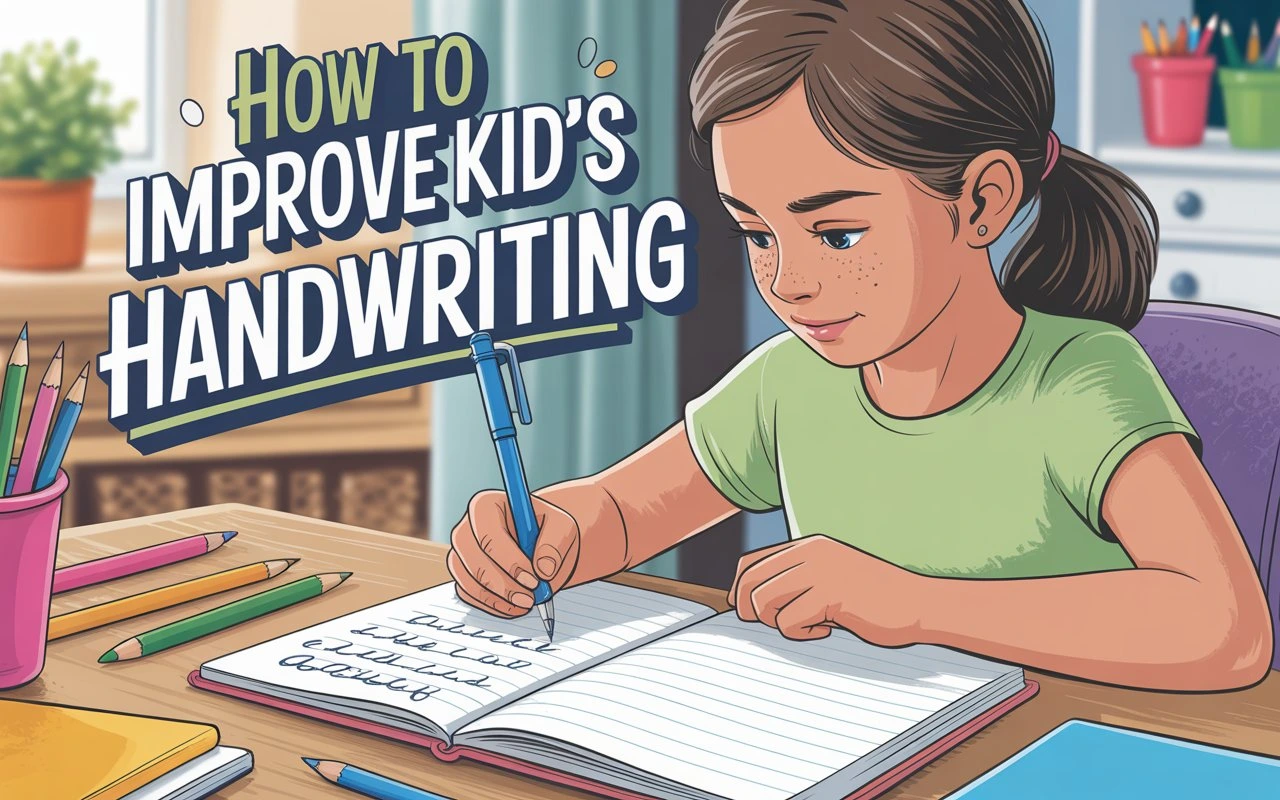



Good handwriting is more than just neat letters on paper. It builds confidence, improves focus, and helps children perform better in exams. Many parents worry when their child’s writing looks messy, slow, or difficult to read. The best thing is, handwriting can be improved with the right activities, regular practice, and proper guidance.
In this guide, you will discover simple handwriting activities for kids, useful handwriting improvement worksheets, and an easy step-by-step method on how to write letters for children. Whether your child is in preschool or primary school, these practical tips will help you support them at home.
.webp)
In today’s digital space, children type more than they write. But handwriting is still important.
Teachers often say that neat handwriting creates a positive first impression. When a child writes clearly, it becomes easier for teachers to understand answers and award marks confidently.
For preschoolers, handwriting practice should begin with basic motor skill development. At this stage, the goal is not perfect letters but strong hand control.
Start with Pre-Writing Skills
Before teaching letters, children should practice:
These strokes are the foundation of letter formation.
Use Improve Handwriting Worksheets
Improve handwriting worksheets for preschoolers usually include:
Tracing helps children understand letter shapes and direction. Start with large letters and slowly move to smaller ones.
Daily Practice Routine
Keep sessions short, just 10 minutes daily is enough. Long practice sessions can cause frustration and fatigue. Make sure:
Consistency is more important than duration.
Children learn best through play. Instead of forcing them to write repeatedly, use fun handwriting activities for kids that make learning enjoyable.
1. Finger Painting Letters
Let your child paint letters using fingers on large chart paper. This builds muscle memory and removes the pressure of pencil control.
2. Playdough Letter Shapes
Ask your child to roll playdough into thin strips and shape letters. This strengthens finger muscles and improves control.
3. Air Writing
Encourage children to “write” letters in the air using their whole arm. Large movements help them understand letter direction before writing on paper.
4. Sand or Salt Tray Writing
Spread sand or salt on a tray and let your child trace letters using their finger. This multi-sensory method improves memory and confidence.
5. Rainbow Tracing
Use different colored pens to trace the same letter multiple times. This repetition strengthens writing skills in a fun way.
6. Maze and Path Worksheets
Maze-style improve handwriting worksheets guide children along letter paths. These sheets improve hand control and accuracy.
These activities reduce pressure and make handwriting practice exciting instead of stressful.
Many parents ask, “What is the correct way to teach letter writing?” Here is a simple step-by-step method on how to write letters for children.
Before writing:
Strong fingers make writing easier.
For knowing more about how to improve handwriting, check out the blog given below,
Start with strokes instead of full letters:
Give simple verbal instructions like:
“Start at the top and pull down.”
“Make a small curve.”
Lowercase letters are used more frequently in reading and writing. They are easier to learn in the beginning.
Instead of teaching letters randomly, group them by stroke pattern:
This method reduces confusion and builds confidence.
Use improve handwriting worksheets that include arrows showing where to start and stop. Once tracing becomes easy, move to writing independently on lined paper.
Keep practice short and positive. Praise effort, not perfection. Avoid comparing your child with others.
Here are some common issues parents notice:
Most of these problems happen due to weak finger muscles or incorrect technique. With proper guidance and structured practice, they can be corrected.
Handwriting improves gradually. Patience is important.
Worksheets help, but sometimes children need structured guidance. Random practice may not solve deeper issues like poor formation habits or slow writing speed.
This is where a guided handwriting program makes a big difference.
At Eduzia Learning, we understand that handwriting affects academic confidence and presentation. That is why we offer the Inkwell Handwriting Course, a structured online handwriting course designed to improve handwriting in just 20 days.
This course is suitable for both children and adults who want neat, confident writing.
Instead of random worksheets, the Inkwell course follows a systematic approach. Students learn proper letter formation, spacing techniques, writing rhythm, and speed control.
Whether your child struggles with messy writing or wants to improve overall presentation, this course provides a clear path to transformation.
Do not let poor handwriting reduce your child’s confidence or exam performance. With the right mix of handwriting activities for kids, structured handwriting improvement worksheets, and professional guidance, beautiful handwriting is possible.
Purchase the Eduzia Learning’s Inkwell Handwriting Course today and give your child the gift of neat, confident writing that lasts a lifetime.
Children can start pre-writing activities around age 3. Formal letter writing usually begins around ages 4–5.
10–15 minutes of focused daily practice is enough for improvement.
Worksheets help, but structured guidance and correct technique are equally important.
Slow writing may happen due to weak hand muscles, lack of practice, or incorrect letter formation habits.
It is better to master print letters first before introducing cursive writing.
It is a structured online handwriting course designed to improve neatness, speed, and presentation in just 20 days.
Yes, the program is designed for students as well as adults who want to improve their handwriting.
Most learners notice visible improvement within a few weeks when they follow the program consistently.